

Field Trip: Hands-On Workshops | Book Now!
New for the 2025/26 school year, Old Sturbridge Village will be marking the 250th anniversary of the Declaration of Independence by incorporating updates and modifications to most hands-on workshops. Explore the ways that printers and writers were pivotal to spreading the message of the Declaration, see how New Englanders remembered the Revolution through food and art, and learn about how Americans embraced a rapidly changing country. Learn more about workshop options and what to expect if you book a workshop below.
Students will try their hand at authentic 19th-century activities, mirroring the work of our costumed historians throughout the Village. From cooking over a hearth to weaving on a loom to writing with quill pens, these tactile experiences forge a tangible connection between past and present, helping students draw meaningful connections to their lives today.
Workshops are approximately 50 minutes.
Recommended for 1st through 12th grades. Minimum of 10 students.
Embark on a journey through 200 acres of living, breathing history. As you explore Old Sturbridge Village’s authentic 19th-century landscape, you’ll encounter costumed historians, period buildings, and heritage animals that transport you back in time. Whether you’re visiting for a few hours or a full day, our online resources allow you to curate a personalized adventure that brings New England’s past vividly to life. Perfect for schools, scout troops, homeschool groups, and other youth groups!
Recommended for K through 12th grades.
Students………………………………………………$17
Chaperones…………………………………………$17
Chaperones include parents, guardians, and other adults accompanying the trip who are not employed by the booking school.
Teacher/Youth Group Leader…………..FREE
Teachers include classroom teachers, school administrators, nurses, aides, and any school personnel accompanying the group during their trip. For Homeschool groups, one adult is admitted FREE per 10 students.
* Minimum total fee of $170 is required.
We welcome chaperones but ask that you please share this guide with all teachers and chaperones attending the field trip.
Book Now!
Hands-On Workshop Options
Important Things to Know About Hands-On Workshops
- Educators may request specific workshops for their groups, but we may not be able to fulfill all requests, especially during busier times of the year. Indicate any requests in the notes field on your reservation.
- Students will participate in one, 50-minute workshop, unless you have reserved multiple workshop times.
- We are always experimenting with new workshops and hands-on activities. Email us at [email protected] for more information!
- Additional 250th-themed workshops are coming in January 2026.
What to Expect: Hands-On Workshops Guide for Educators
Registering for a Hands-On Workshop:
On the Explorable Places registration site, you will be able to see where there is workshop availability and choose slots for your class. A few things to note about registering:
- Each workshop is for a class-sized group. If you are bringing four classes of students on your field trip, you will register for four workshop slots.
- Right now, we do not have the capability to allow teachers to choose specific workshops for their class. You can make requests on the form, however!
- Workshops are 50 minutes long.
- Each class participates in only ONE workshop during their session. They do not rotate between workshops.
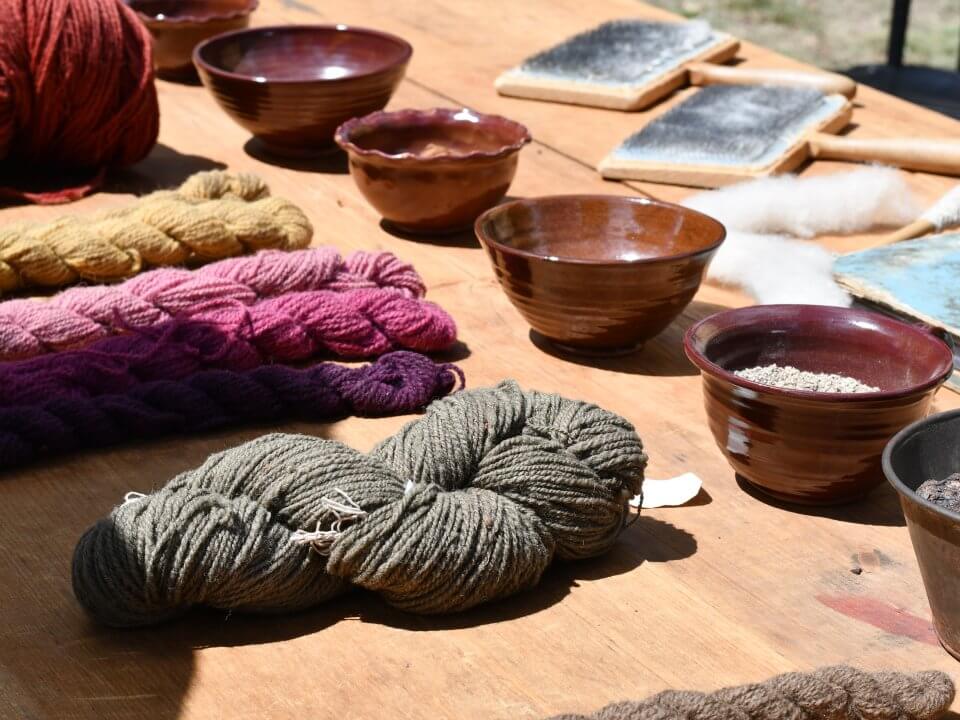
- Workshop themes are: hearth cooking, printing, textiles, farm and garden, woodworking, and games. See descriptions of each of these workshops here.
Before Your Visit:
The workshop schedule is determined the week before your visit. If you would like to know which workshops your group will be participating in during your visit, please email us at [email protected]. The workshop schedule is subject to change.
Make sure to review and share the Chaperone Guide to OSV.
When You Arrive:
When you arrive at Museum Education, your buses will be greeted by Museum Educators, who will lay out the guidelines for your visit. The lead teacher should head inside Museum Education to the ticketing office, where they will confirm numbers, pay for the visit (if necessary), and receive maps and stickers for chaperones. Please make sure that you know the exact numbers of students, non-teacher chaperones, and school staff chaperones before coming to check in. No refunds will be made for drops in visitor numbers.
In the ticketing office, OSV staff will remind you of your workshop times. On rare occasions, we have to make last-minute adjustments to the workshop schedule due to cancelations, late arrivals, etc. Thank you in advance for your patience!
If you brought lunches, students can put those in the lunchroom on the metal shelves before heading into the Village. On busy field trip visitation days, you may receive an assigned lunchtime at check-in.
Please make sure to dispose of any trash or cardboard containers after lunch.
Workshops:
At the time of your workshop, please return to Museum Education. Outside the entrance, you will find A-frame whiteboards with the time, name of your school, and then the class (ie. Class 1, Mr. Smith’s class, etc.). Have your classes line up behind the correct sign. A staff member will bring each group into the building, one at a time, to start their activity.
During some of the workshops (farm and garden, hearth cooking, and woodworking), the class will be divided even further into two smaller groups. The two groups will be doing the same activities, just in a different order.
Chaperones may be asked to assist with some activities during the workshops.
If you are planning on eating lunch during your visit, make sure that students leave enough time to eat before heading over to their workshops. Most groups store lunches in the Museum Education lunchroom upon arrival.
After Your Workshop and Visit:
If your workshop involved a take-home element that you left at Museum Education after the workshop (for example, marbled paper that was left to dry), make sure to stop by the project pick-up at Museum Ed to get your students’ items. They will be labeled with the time and workshop. Please take all of the materials, not just a particular student’s work.
Please feel free to reach out to us with any questions or comments, and we look forward to your visit!
Important Notes for In-Person Field Trips:
- Limited, non-refrigerated, sheltered lunch storage and eating space is available on a first-come, first-served basis in the Lunch Room by the Museum Education Center.
- Outdoor picnic tables are available on a seasonal basis throughout the Village campus.
- Due to limited space, school groups are not allowed to dine in the Bullard Café unless purchasing food.
- Groups are welcome at the gift shop; chaperones must accompany students inside.
- Before booking, please review our policies regarding payment, rescheduling, and canceling here.
- Please see our chaperone guide, map to the Museum Ed Building, and other Educator Resources for more “know before you go” information.
- Thinking about or trying to justify a field trip to OSV to your school administrators? See our “Why Take a Field Trip to Old Sturbridge Village?” document here.
- Contact us at [email protected] to get a free visit to the Village to see if it’s right for your students

View All Field Trip Options
Return to Field Trip Home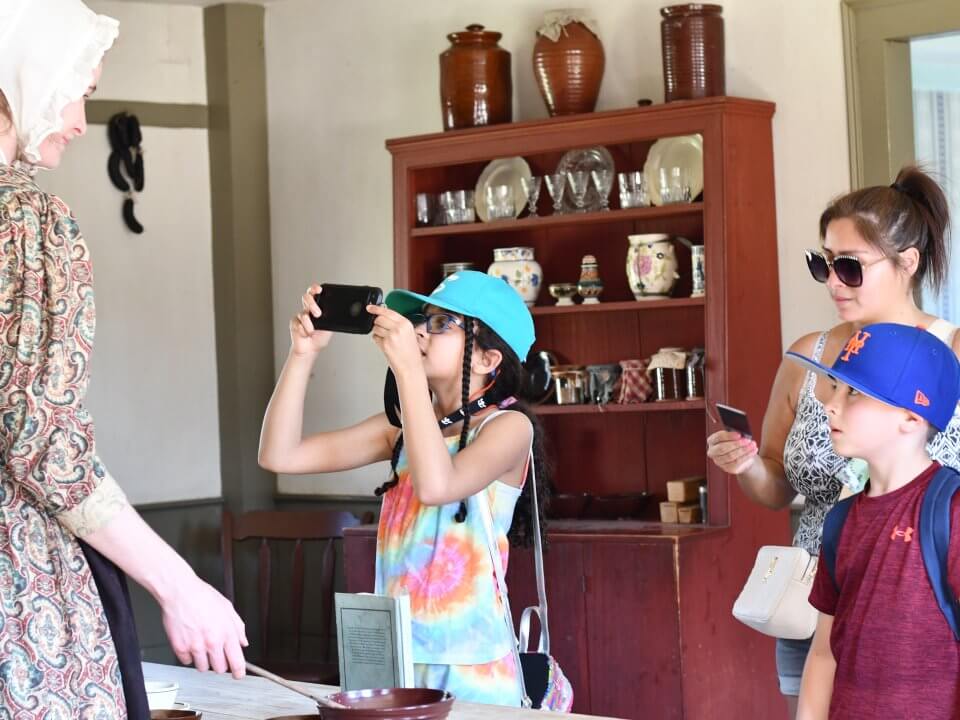
Additional Resources for Your Visit
Download Educator Resources