



Pictured below are just a few examples of these common household items and decorative wares from the Village’s time period. Not all crafts are shown every day.
The Crafts & Trades (Click on the photos to learn more)
-
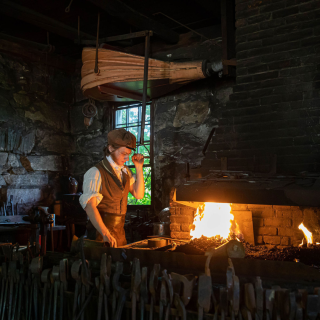
Blacksmithing
Blacksmithing
The Blacksmith Shop was originally from Bolton, MA and was built by blacksmith Moses Wilder around 1810. Early 19th-century rural New England blacksmiths took on a variety of jobs, such as repairing farm and cooking tools, shoeing horses and oxen, and occasionally doing custom work. Many were also farmers.
-

Printing
Printing
Country printers stitched and bound account books and journals for use in trade shops and in domestic management. Marbled papers were often used in making the covers for these books.
-
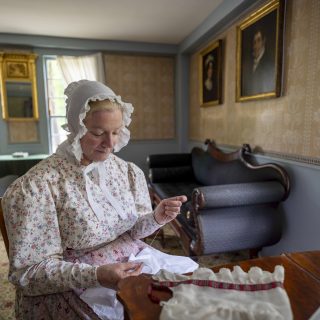
Sewing
Sewing
New England housewives ensured that their families were clothed in good order for many occasions. The art and skill of clothing a family included constructing new garments, patching, mending, and darning worn items, and repurposing old items into new wardrobes.
Learn more about how we recreate historical clothing at the Village here
-
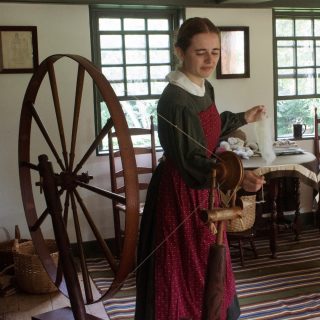
Textile Production
Textile Production
From shearing to sorting to picking to scouring to carding to spinning to plying to dyeing to knitting, the wool textile process is a long one! Of course, the finished yarn was (and is!) very useful, especially for cold New England winters. Some traditional spinning and weaving work was still being done in households in this time period, as well. Custom-made blankets, coverlets, and cloth were some of the textiles still being made with hand looms.
-
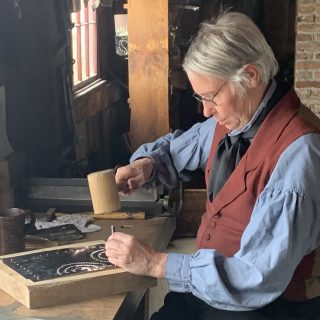
Tin
Tin
Tin shops in New England produced household kitchen items such as graters, pans, coffee pots, and dippers. Lamps, lanterns, and candle sconces were also made in these shops. Decorative items such as japanned tinware would have been prominently displayed in the home, and used for finer occasions.
-
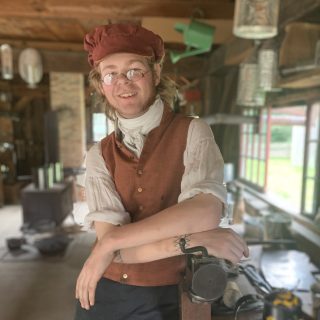
Japanning & Decorative Painting
Japanning & Decorative Painting
Japanning originated in the 17th century as an English attempt to imitate the Japanese lacquerware obtained by the Dutch who were one of the only countries trading with Japan at the time. The technique became extremely popular and by the end of the 18th century, manufacturers started to appear in the United States. Both men and women learned the trade through apprenticeship.
-
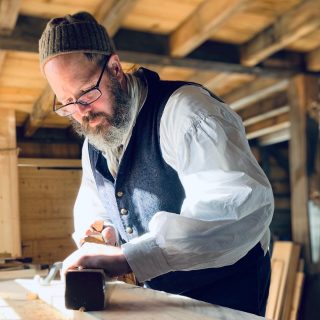
Cabinetmaking
Cabinetmaking
Local cabinetmakers made wooden tables, chairs, and other household furnishings. Sturbridge and the surrounding region were home to some of the foremost rural cabinetmakers of the early 19th century, including Nathan Lumbard and Oliver Wight. These craftspeople, as well as others like them, were integral to 19th-century rural New England communities.
-
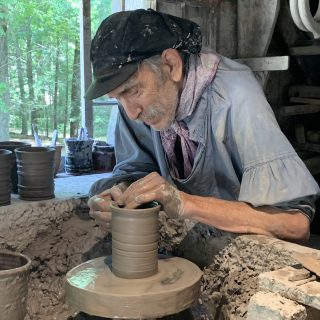
Pottery
Pottery
Hand-thrown redware pottery bowls, plates, pots, and pitchers were used in baking and to prepare and serve meals. Jugs and jars were used to store food items.
Explore the Pottery Shop in 3D here
-
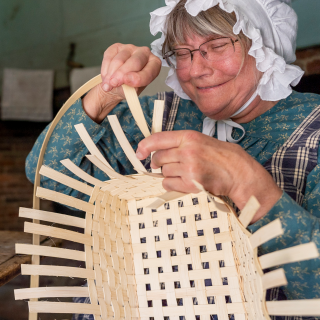
Basketmaking
Basketmaking
Baskets are both beautiful and practical! In early 19th-century rural New England, baskets were often made of splint, mostly from black ash, but also hickory, poplar, or white oak. In the case of black ash, the log would be pounded with mallets so that the tree’s growth rings were loosened and could thus be separated from adjoining layers. These strips could be stored dry, and then soaked in water to make it more pliable when it came time to weave a basket.
-
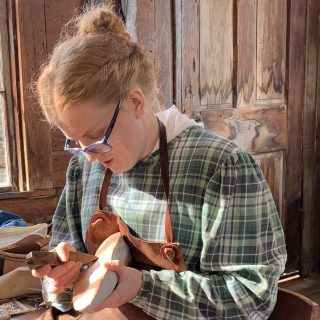
Shoemaking
Shoemaking
A “putting-out system” for making shoes had spread throughout the New England countryside by the early 19th century. Manufacturers and storekeepers provided young women with leather or cloth shoe uppers to sew in their homes. The shoes were then completed by shoe makers working in small shops. Bespoke shoe makers also made custom boots, shoes, and ladies footwear.
-
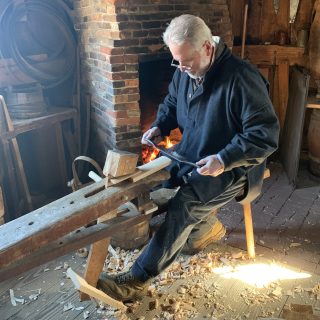
Coopering
Coopering
Coopers make round wooden containers such as barrels, buckets, casks, and tubs. Some rural coopers worked their trade on a seasonal cycle. In the winter, they cut and hauled wood for stave stock and stacked it by the shop to dry, choosing different woods based on the goods that would be stored inside each barrel. From late March until June, coopers did farm work and made and repaired dairy containers that had shrunk or been damaged over the winter. During the summer, they worked in the fields. But at harvest time, they made barrels to store and transport grain, apples, potatoes, meal, flour, freshly pressed cider, and salted meat.
-
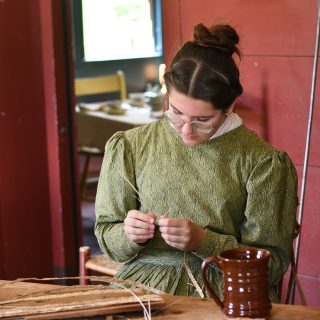
Strawbraiding
Strawbraiding
Strawbraiding was a common form of out-work for women in early 19th-century rural New England. Women would braid straw at home and then sell it for credit or money at their local stores, usually for a few cents per yard. Once harvested, the straw would be cleaned, dried, and bleached. It would then be put in warm water to make it more flexible for braiding. Once braided, the straw could be used to make bonnets and hats. While braiding was not the most lucrative business, it was a great way for many families, including the Bixby family that lived in the Bixby House now at the Village, to make a secondary income from home.
A Sampling of Crafts Made by Village Craftspeople
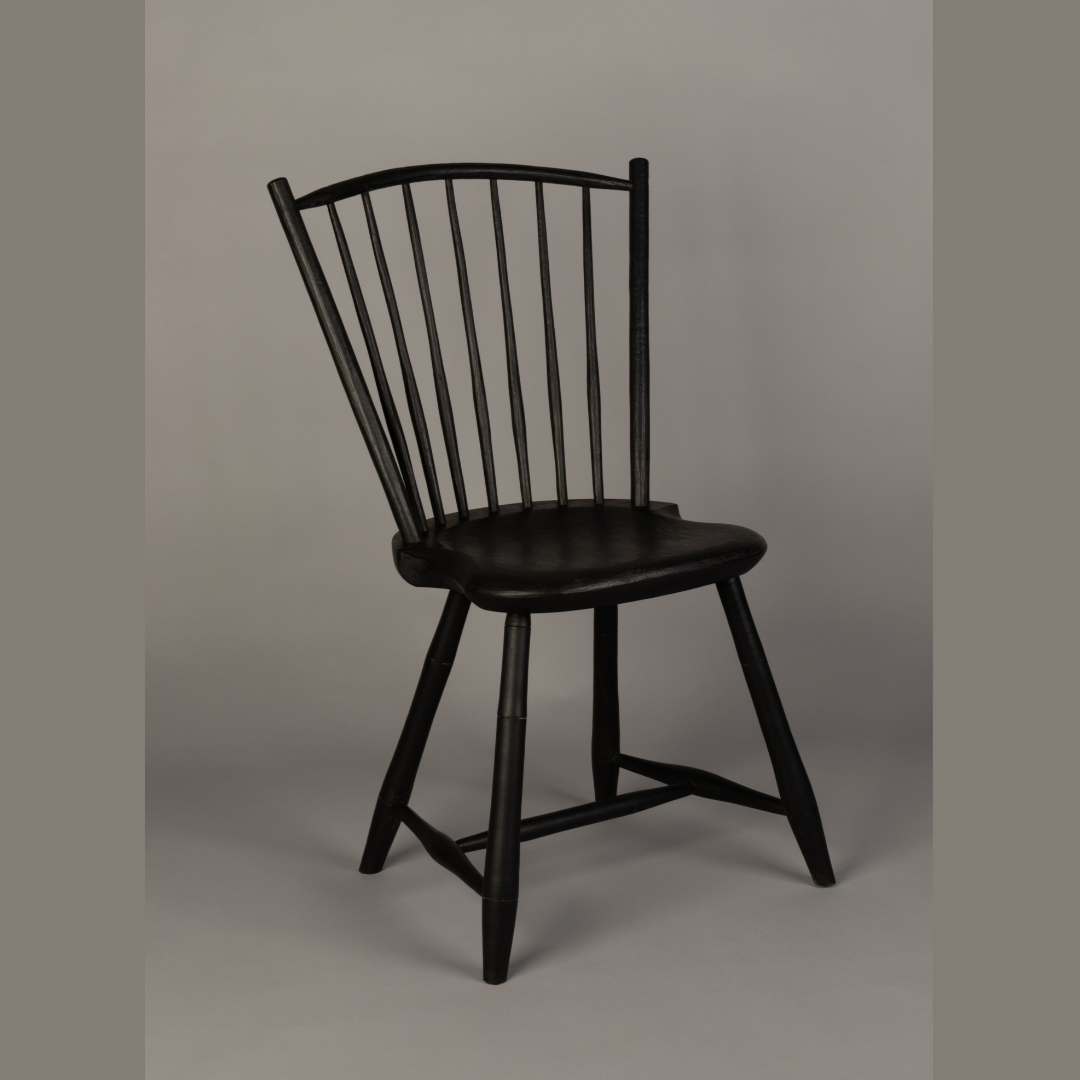
Rod Back Windsor Chair
Created by Joel Halterman
Maple, pine, and red oak
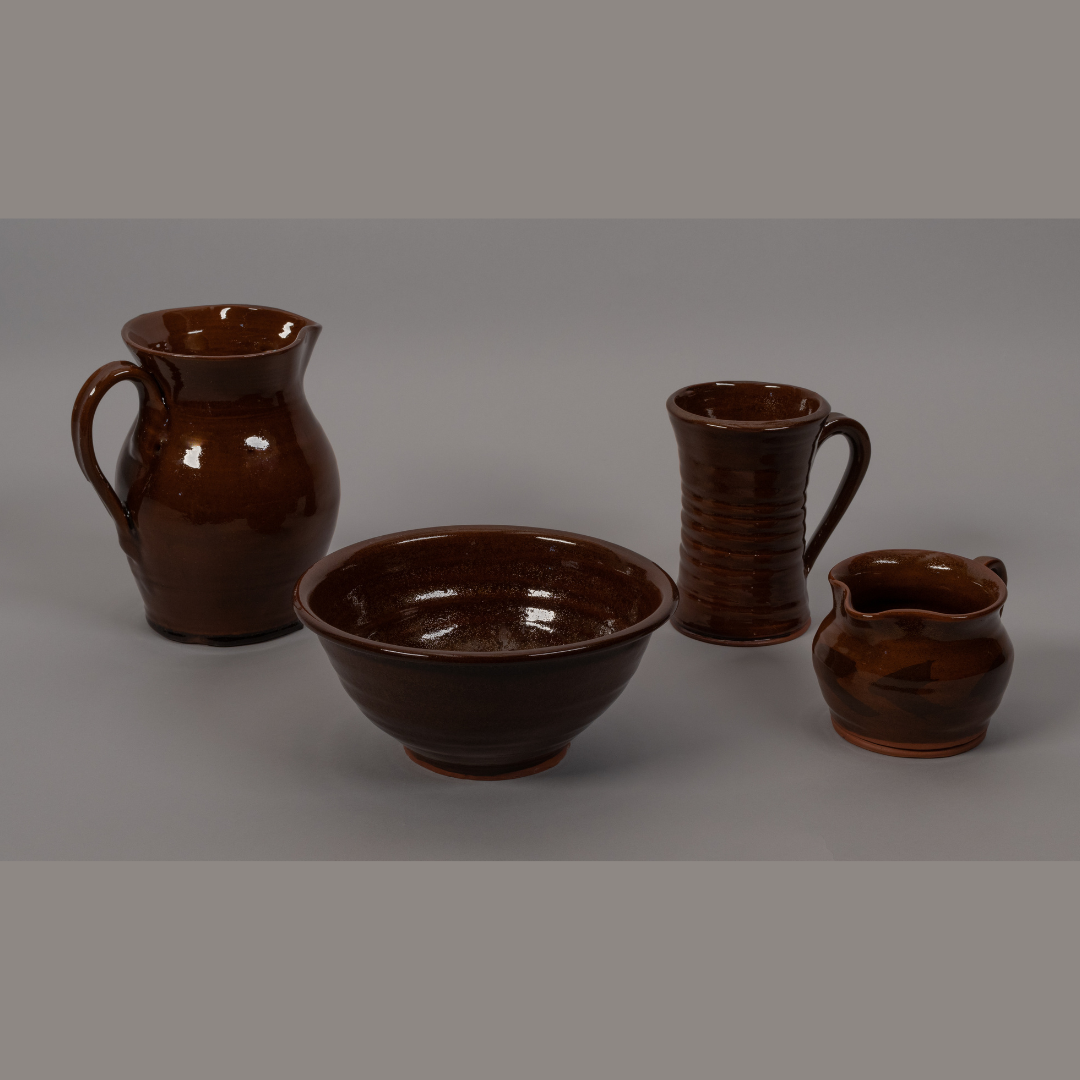
Pitchers, Bowl, and Mug
Created by Jake Terreden, David Caruso, Jeff Friedman, Patrick Kelly
Redware Pottery
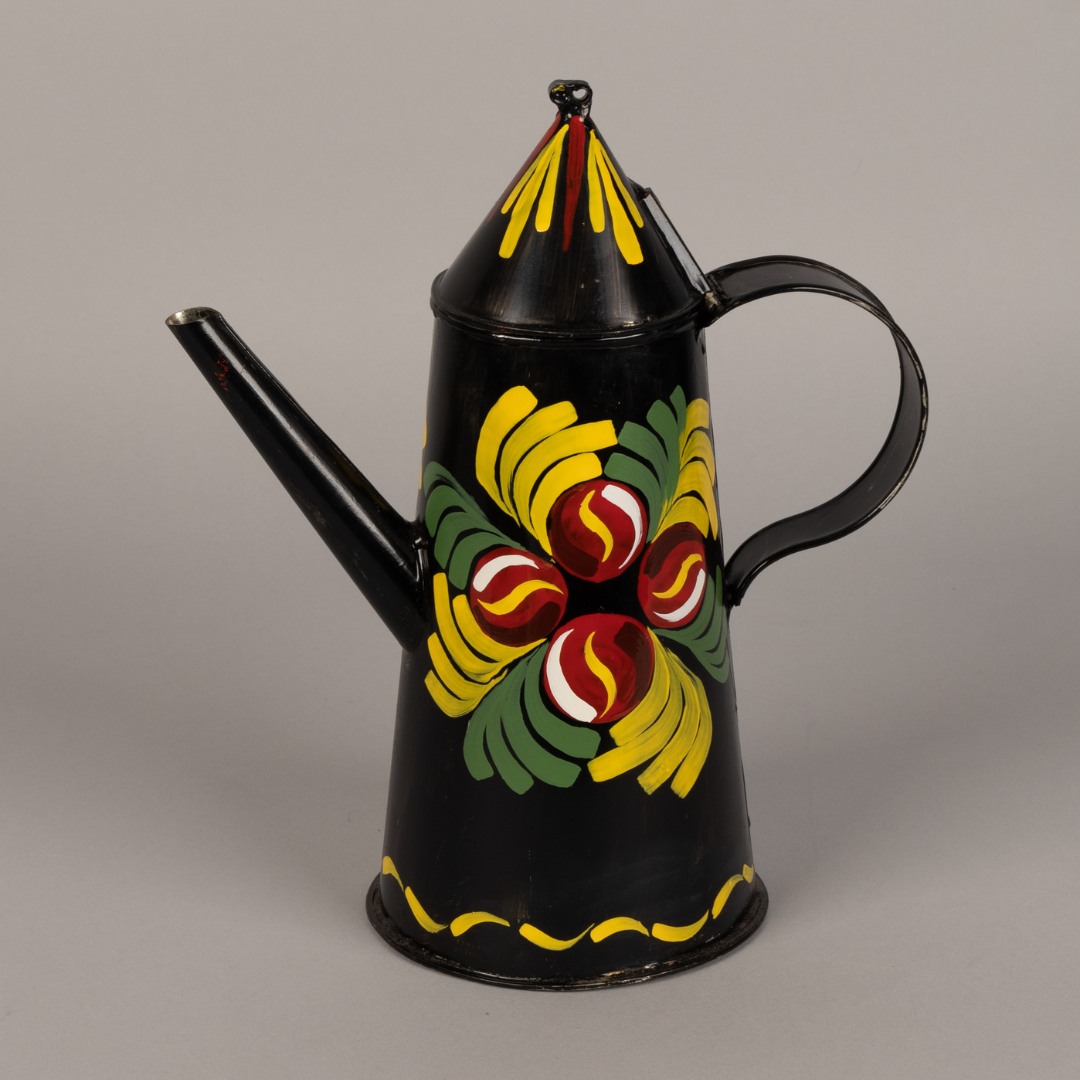
Japanware Coffee Pot
Created by Alden Chartier
Japanned Tin
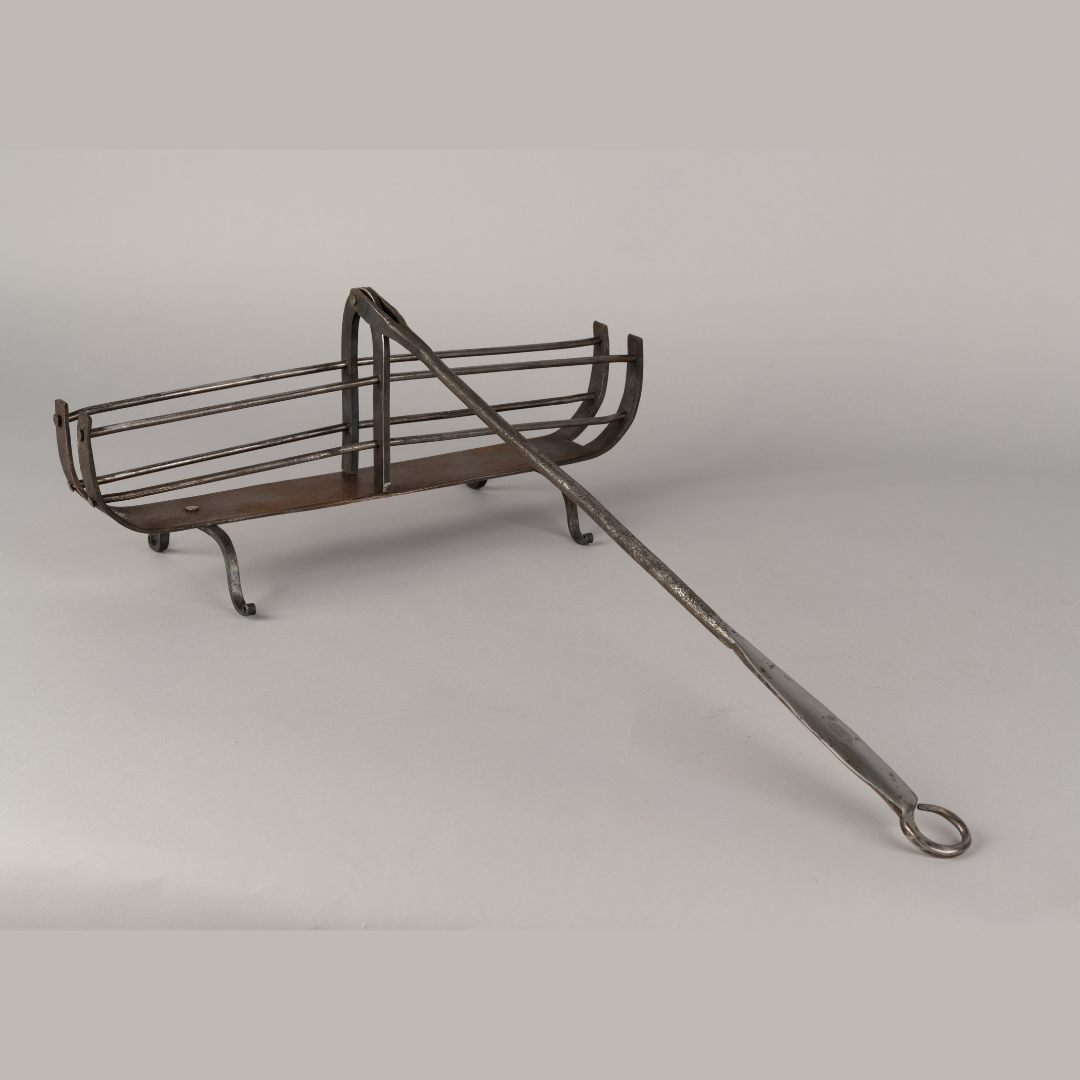
Toaster
Created by Ethan Choiniere
Iron
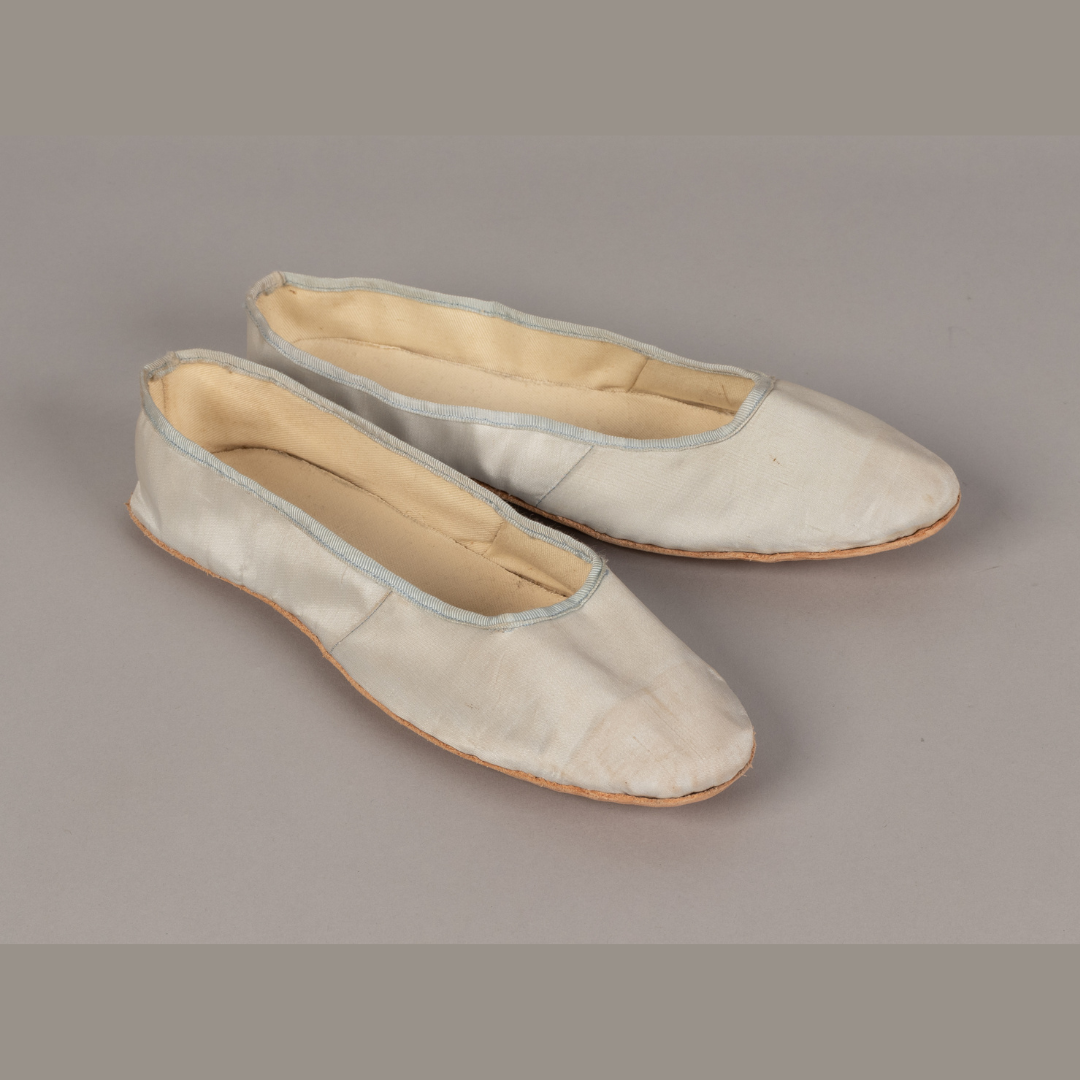
Ladies Slippers
Created by Rachel Middaugh
Satin, leather sole with cotton linings and ribbon
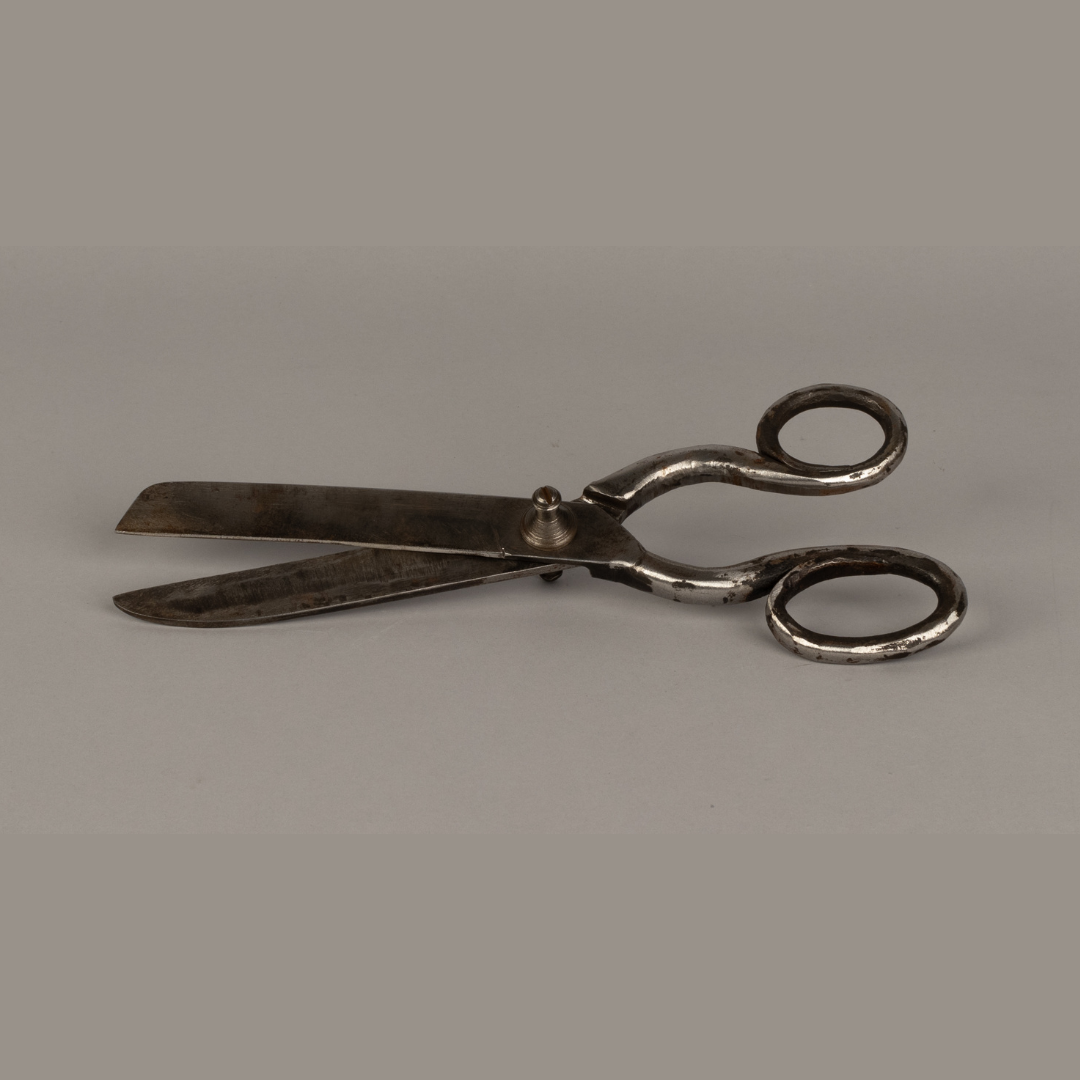
Sewing Shears
Created by David Caruso
Iron and steel
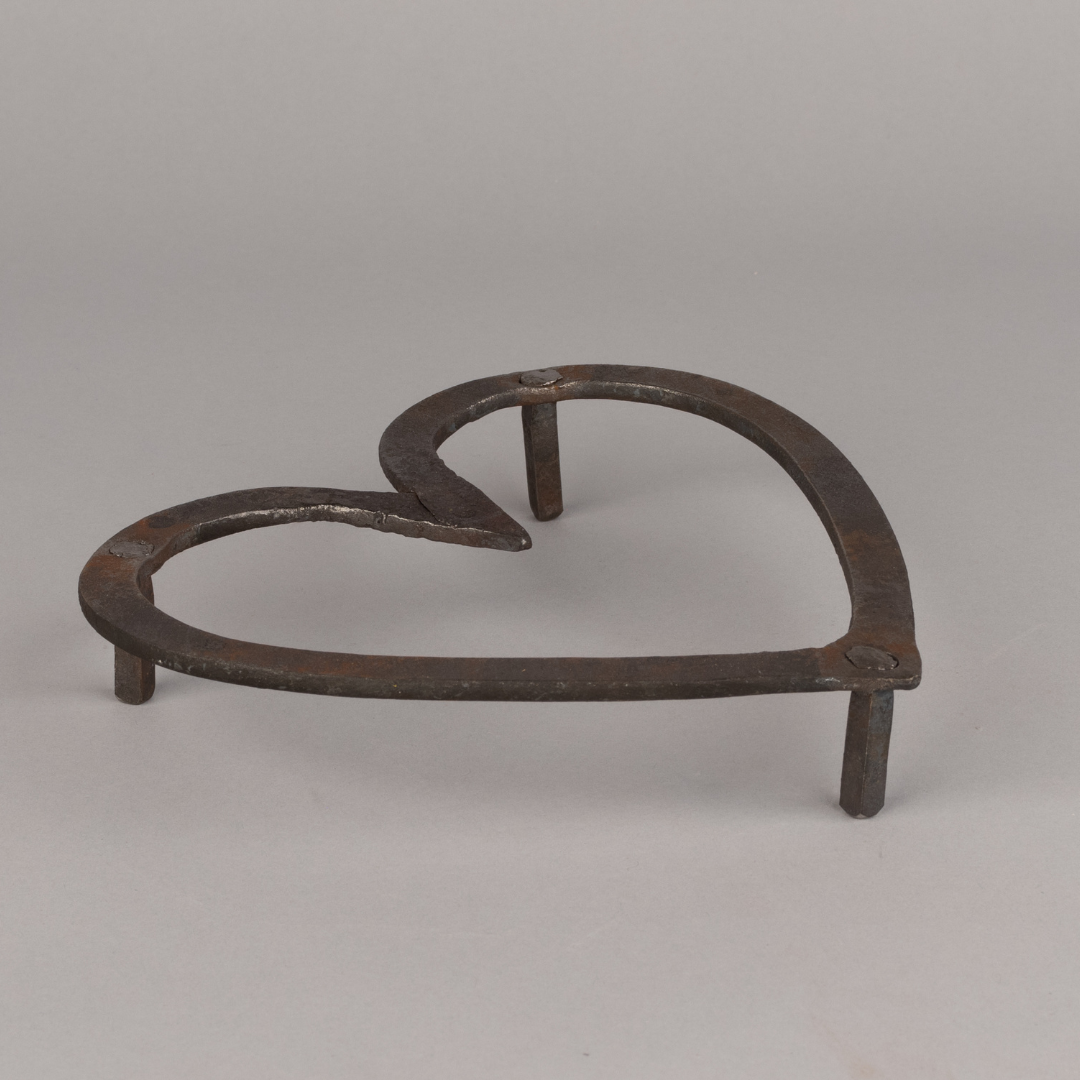
Trivet
Created by Ethan Choiniere
Iron
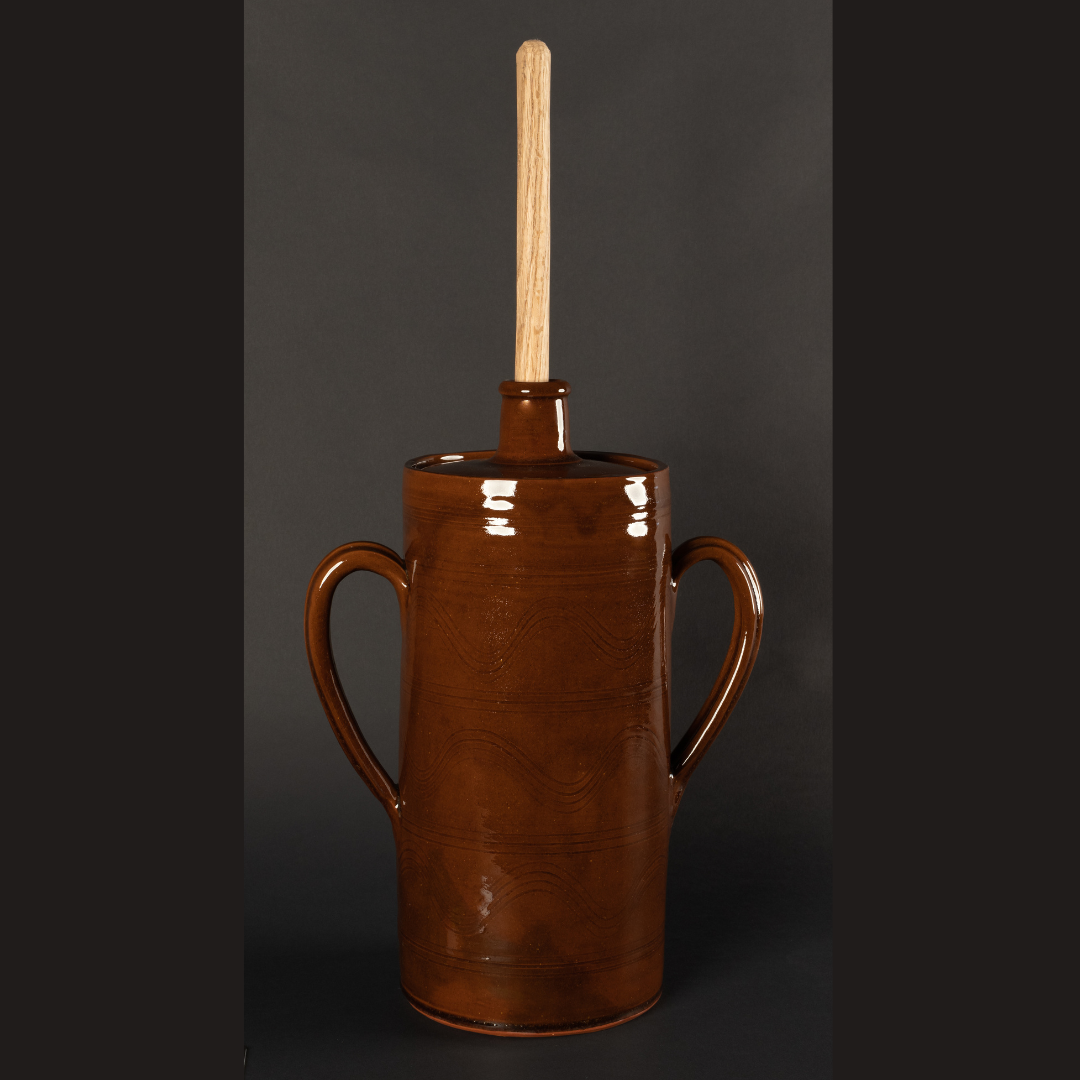
Butter Churn
Created by Tony Kulakusky
Redware Pottery
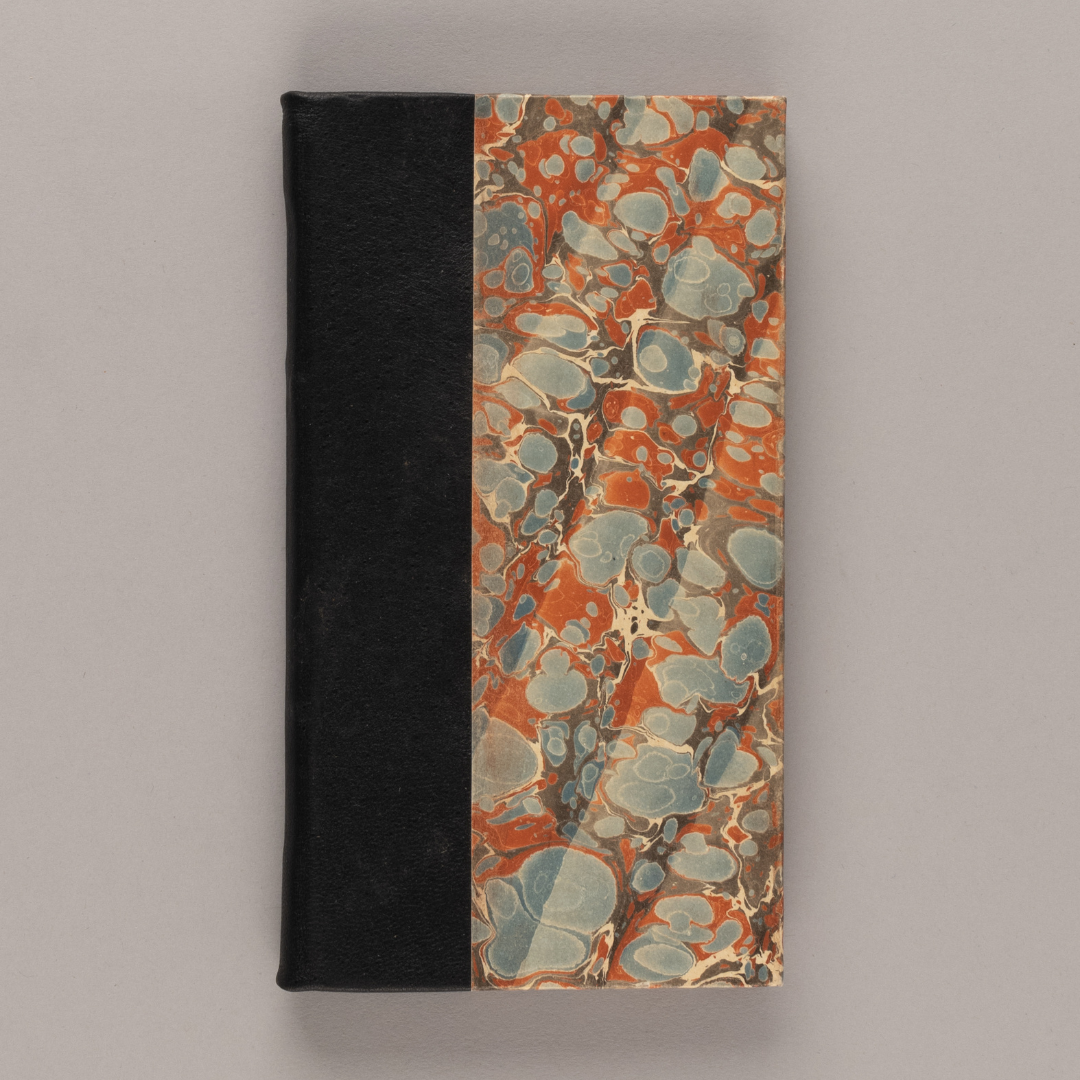
Pattern Journal
Created by James Caldwell
Leather spine, Spanish marbled paper
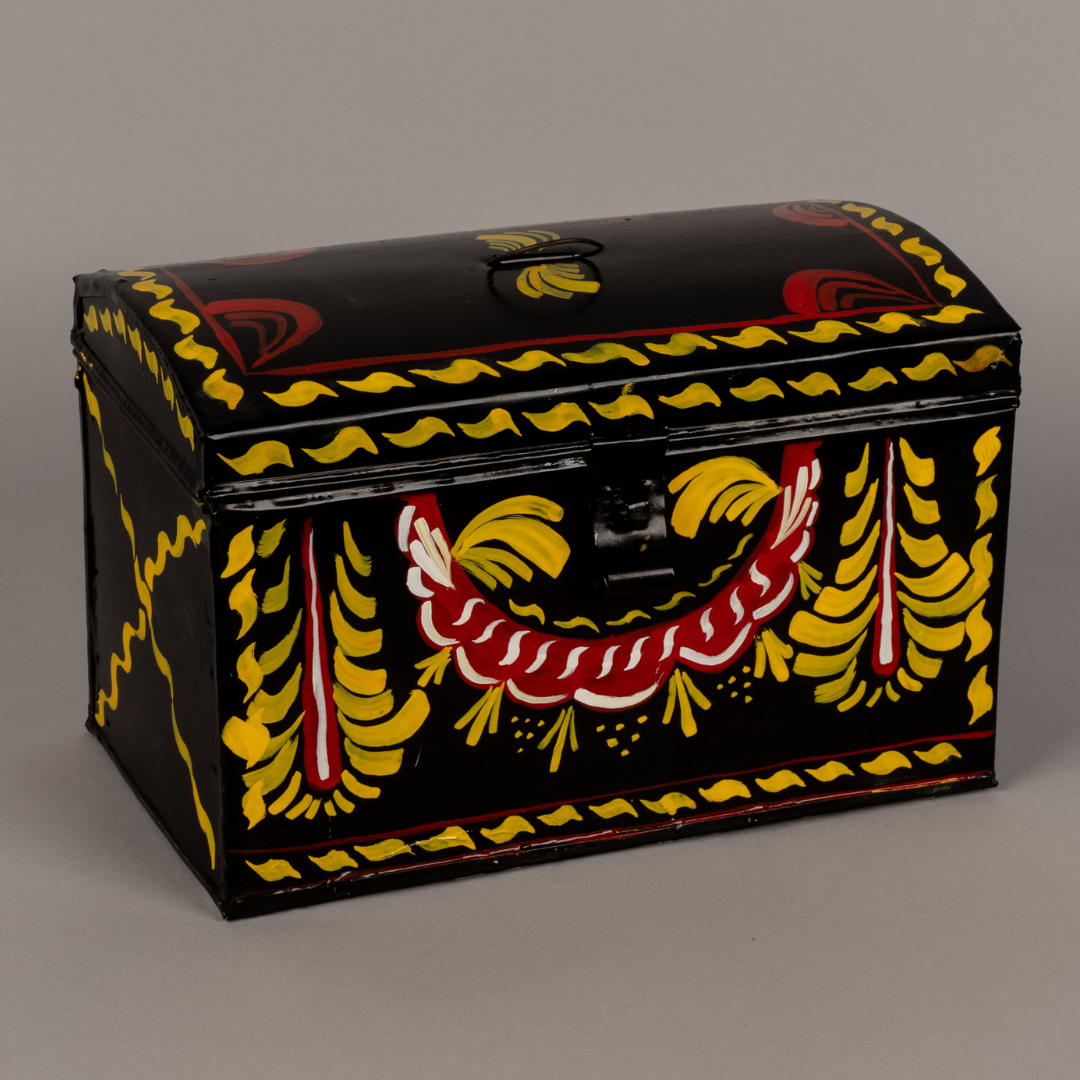
Trunk
Created by Alden Chartier
Japanned Tin
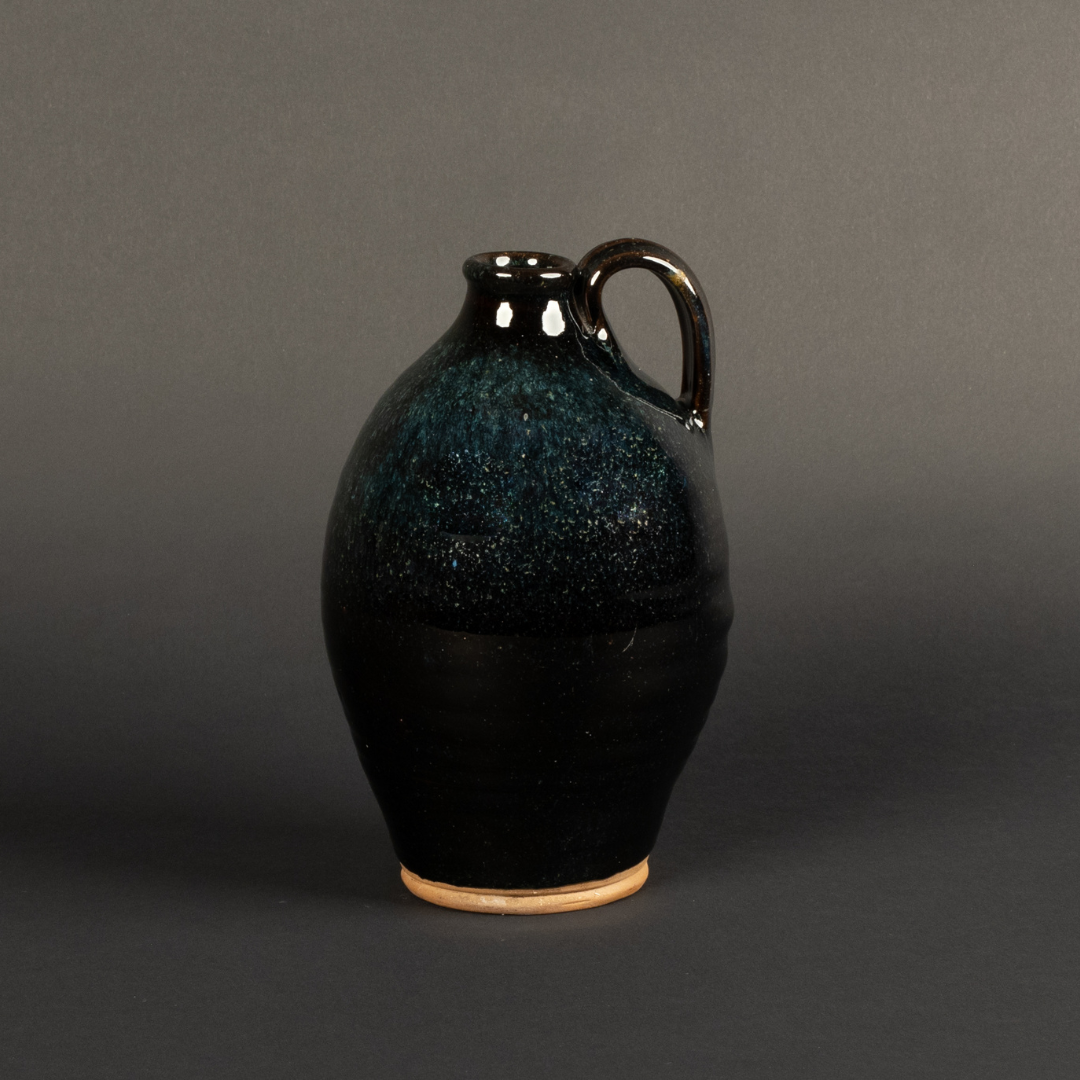
Jug
Created by Tony Kulakusky
Redware Pottery
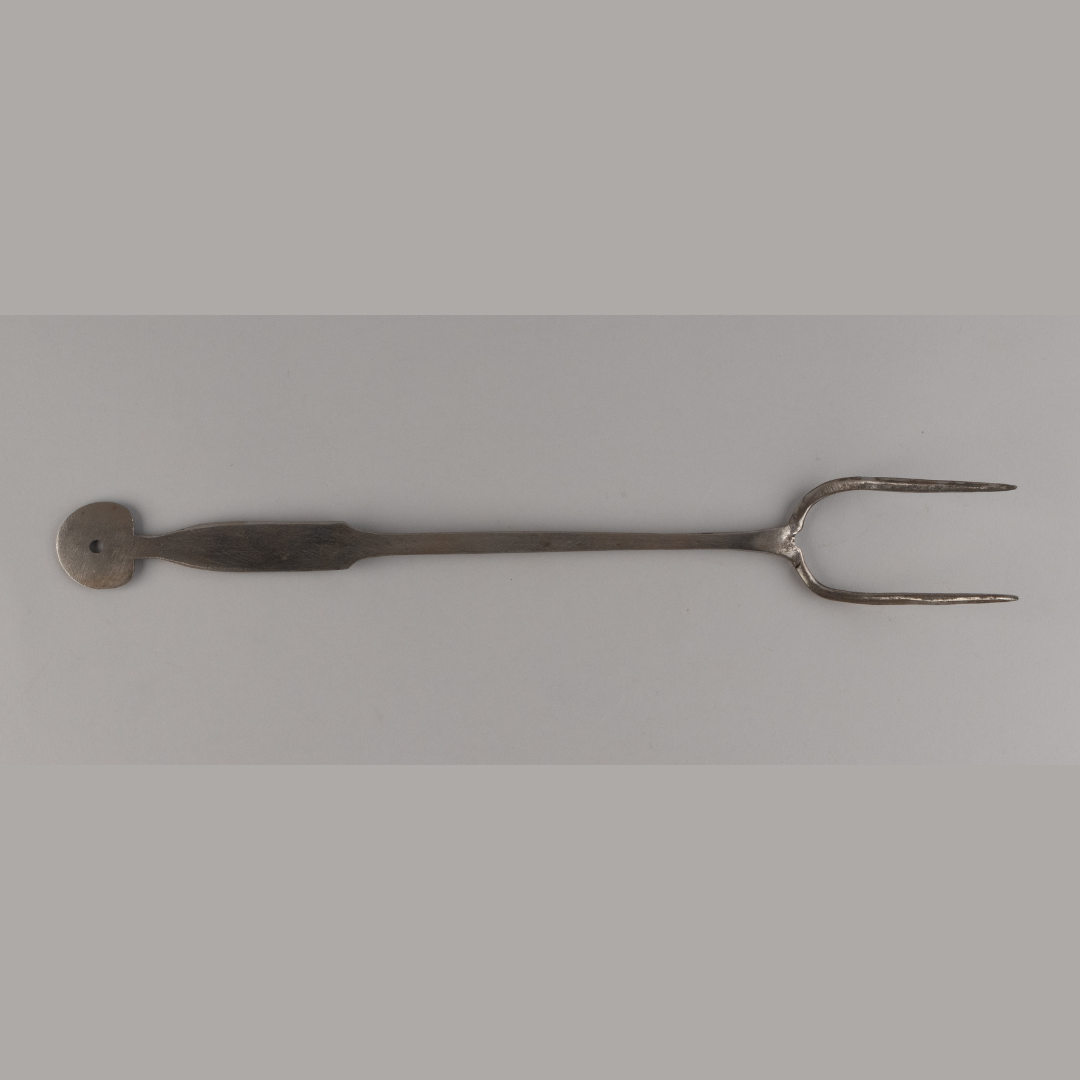
Flesh Fork
Created by Justin Kennick
Iron
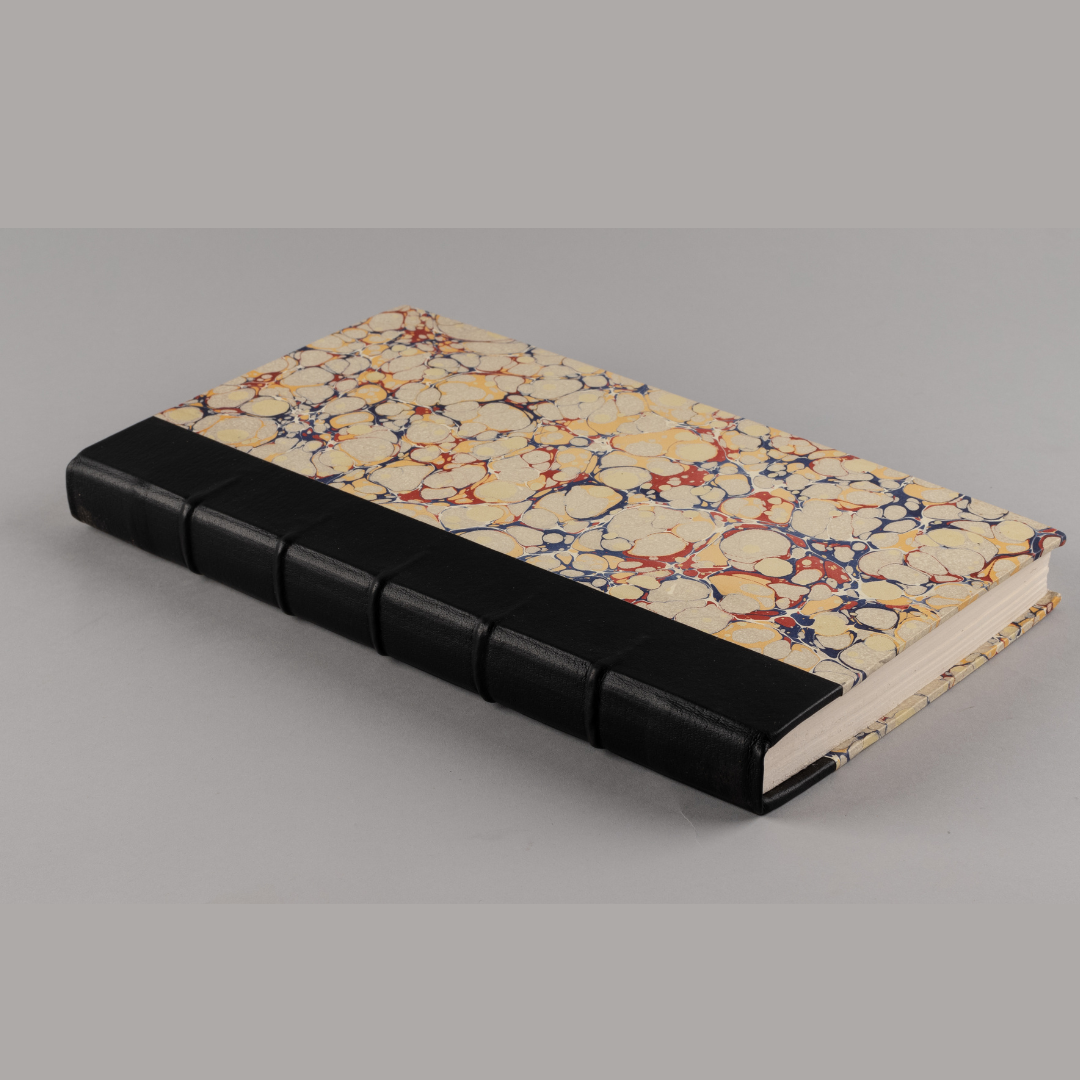
Accountant’s Journal
Created by James Caldwell
Raised chord binding, leather spine, marbled paper
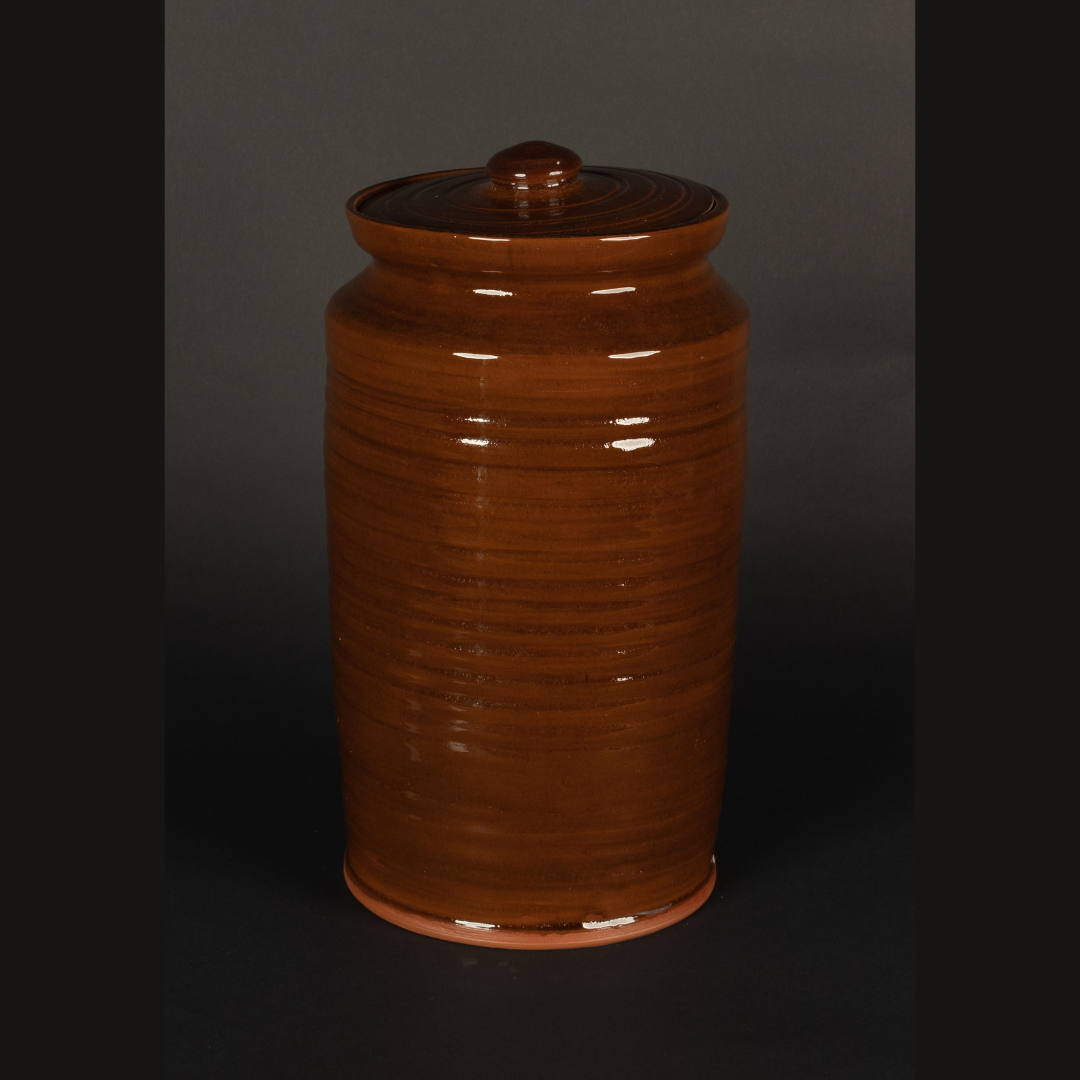
Jar
Created by David Caruso
Redware Pottery
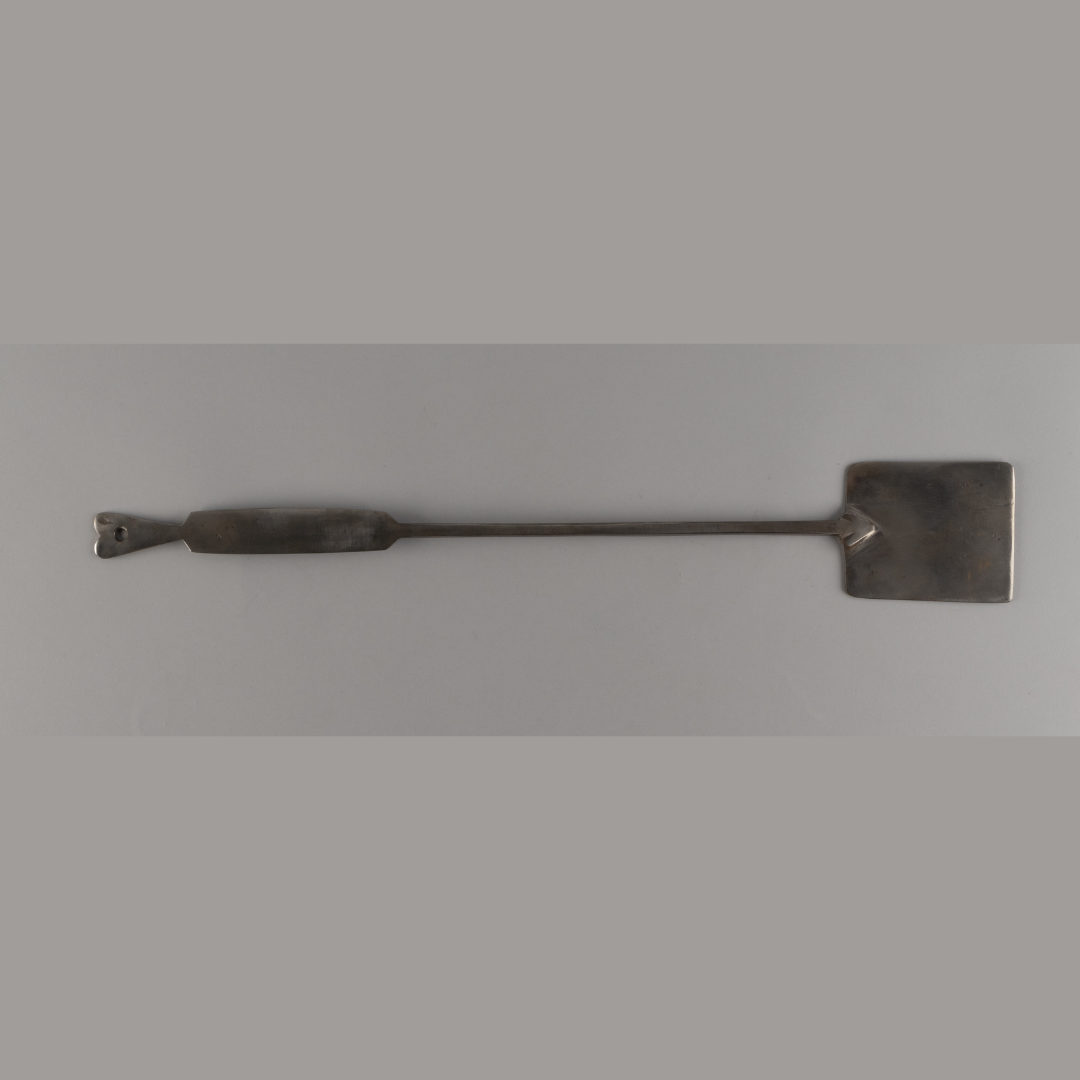
Spatula
Created by Ethan Choiniere
Iron
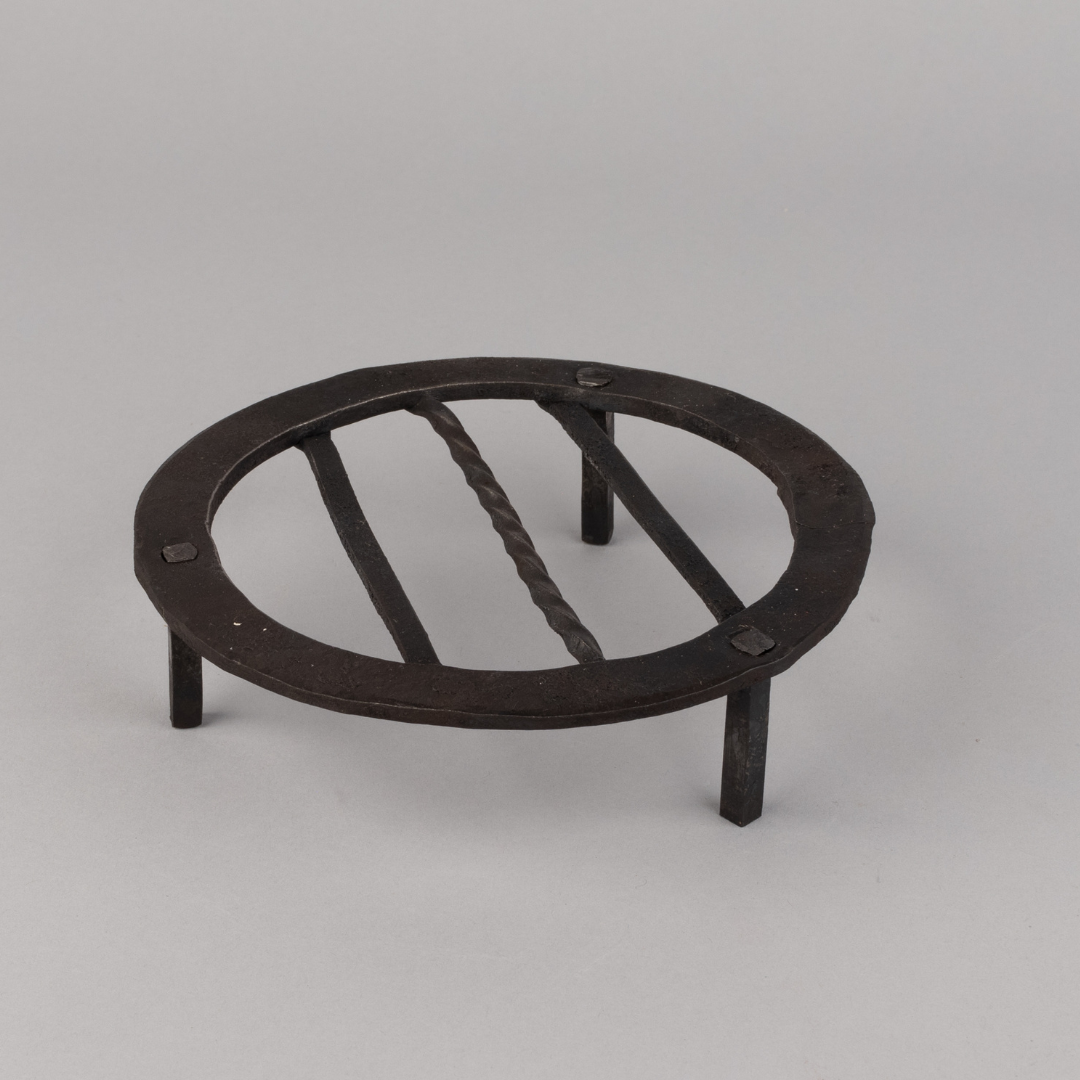
Trivet
Created by Ethan Choiniere
Iron
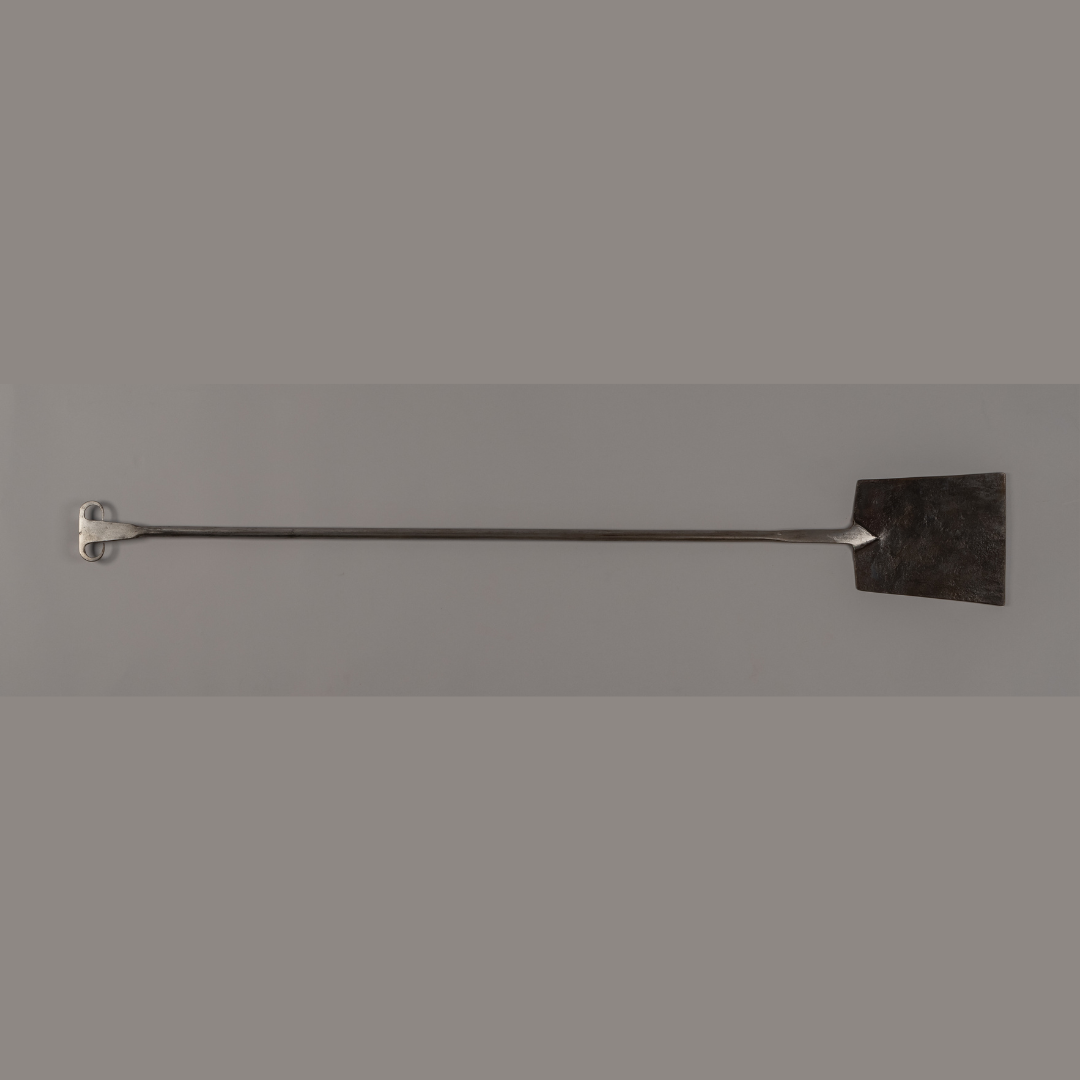
Oven Peel
Created by Ethan Choiniere
Iron
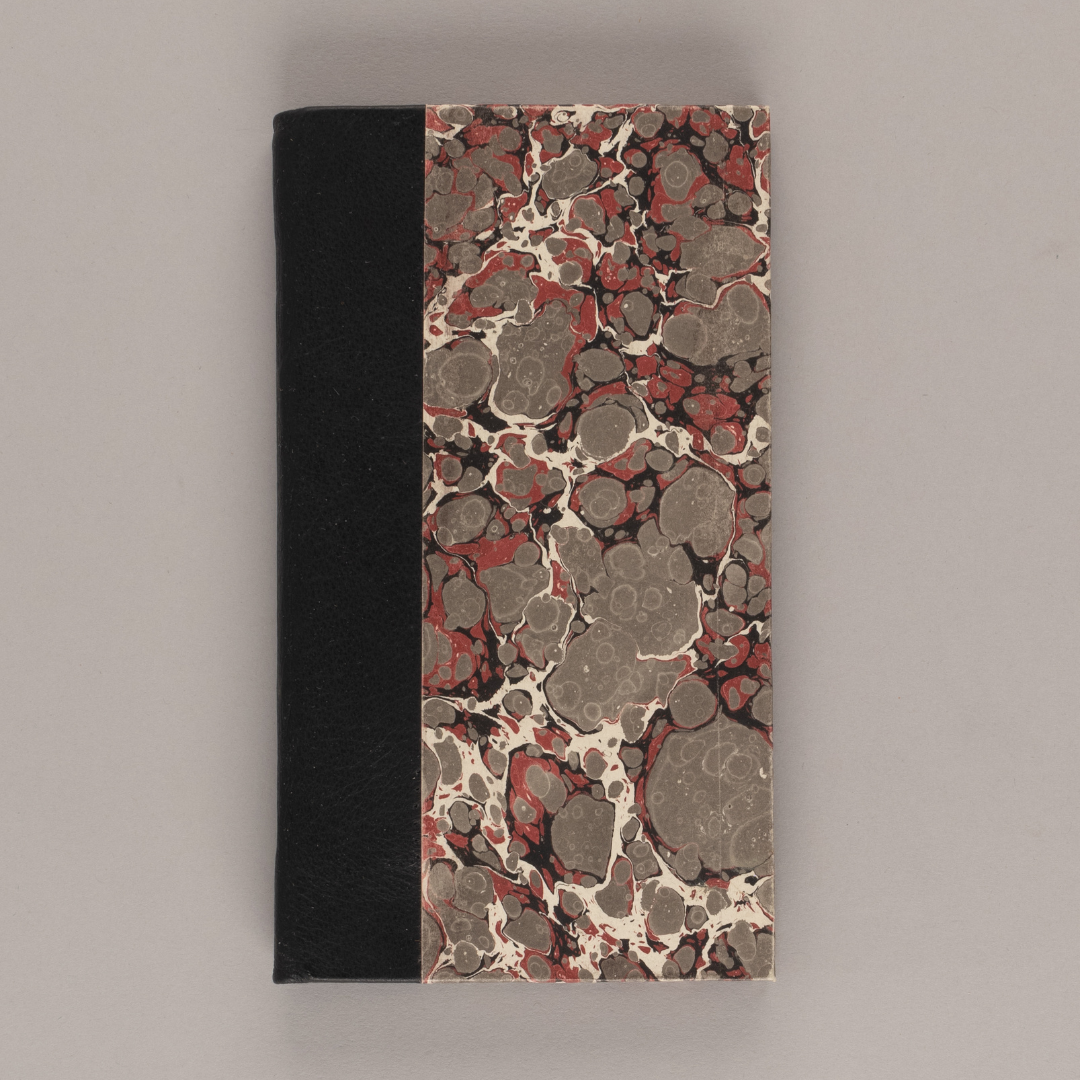
Pattern Journal
Created by James Caldwell
Leather spine, marbled paper
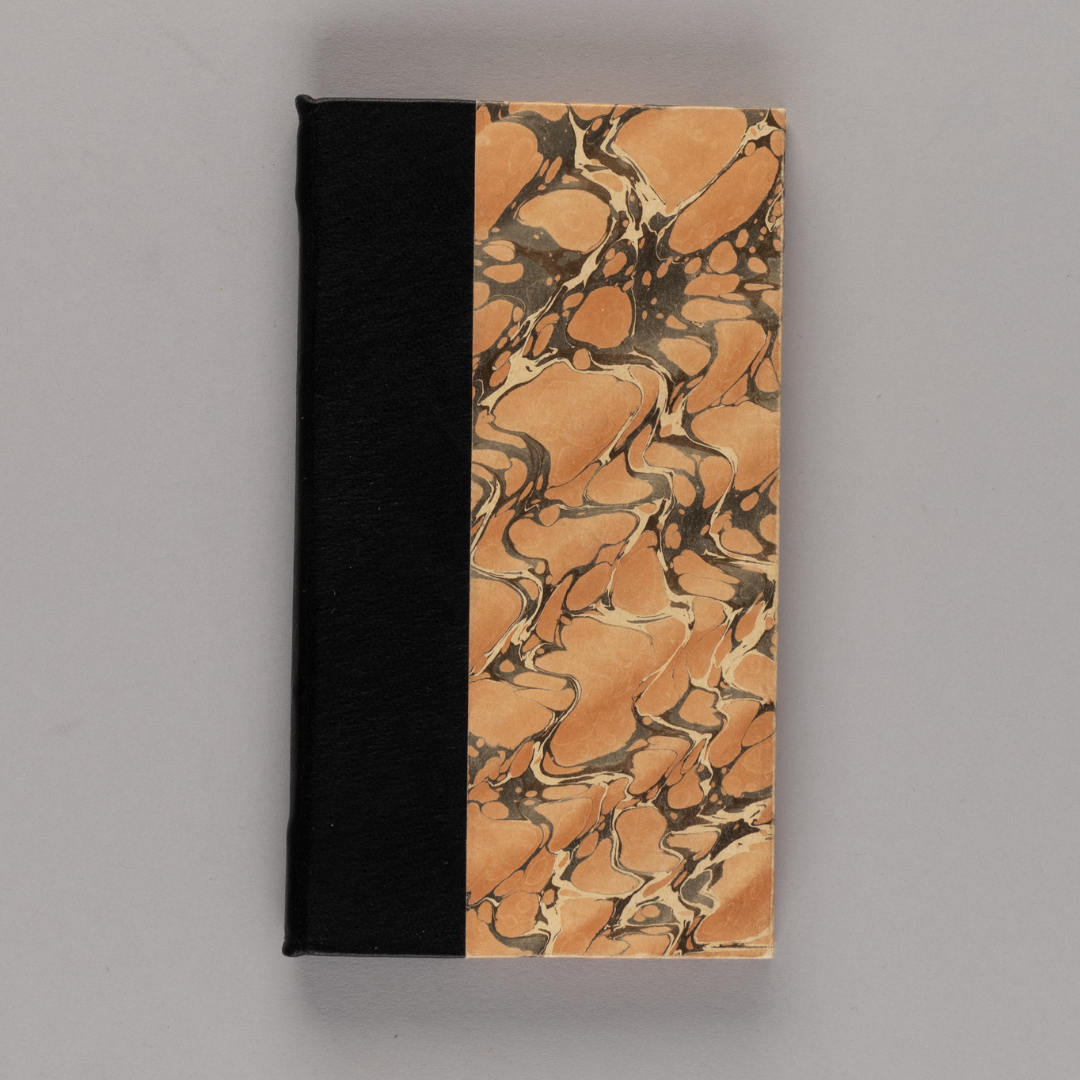
Pattern Journal
Created by James Caldwell
Leather spine, marbled paper
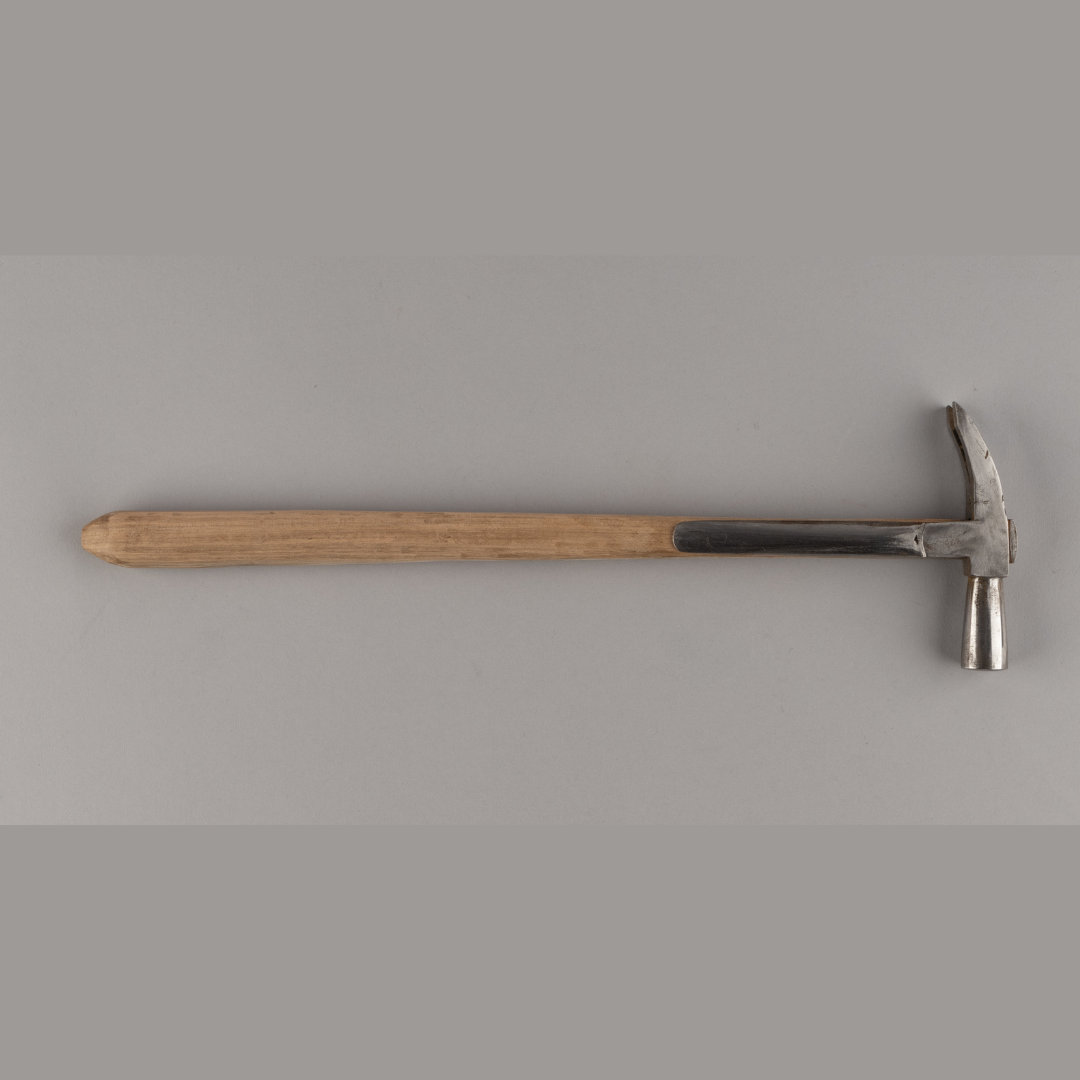
Ladies Hammer
Created by Ethan Choiniere
Iron