

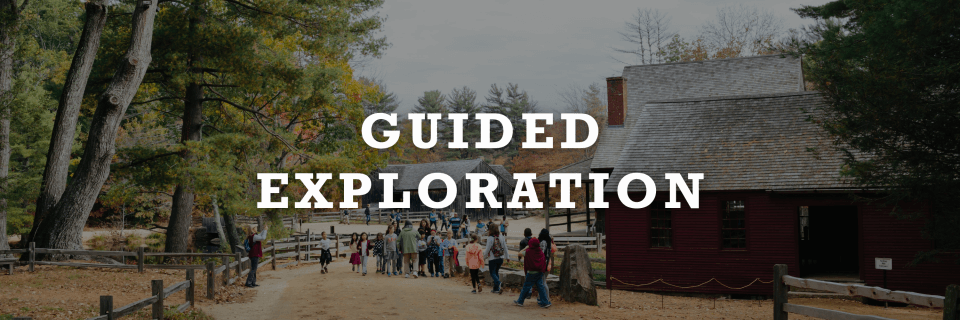
Field Trip: Guided Exploration | Book Now!
Embark on a two-hour journey through the Village, led by our knowledgeable museum educators. This structured tour offers a deeper dive into New England’s rich past, bringing history to life through engaging narratives and interactive demonstrations.
This option is great for groups preferring a more structured tour experience. Classes will be divided in half to tour the Village with a museum educator. When booking, please indicate a tour theme. Themes include:
Please note:
- Tours are not available in May and June due to high field trip numbers.
- Other seasonal themes for tours may be available throughout the year on a limited-time basis. Ask us for more information!
- When booking tours, please include your focus of choice in the notes section.
Recommended for 3rd through 12th grades.
Students………………………………………………$22
Chaperones…………………………………………$17
Chaperones include parents, guardians, and other adults accompanying the trip who are not employed by the booking school.
Teacher/Youth Group Leader…………..FREE
Teachers include classroom teachers, school administrators, nurses, aides, and any school personnel accompanying the group during their trip. For Homeschool groups, one adult is admitted FREE per 10 students.
* Minimum total fee of $220 is required.
We welcome chaperones but ask that you please share this guide with all teachers and chaperones attending the field trip.
Book Now!
What to Expect: A Guide to Guided Tours
Registering for a Guided Tour Visit:
On the Explorable Places registration site, you will be able to see where there is tour availability and choose slots for your class. A few things to note about registering:
- Each booking online is for a class-sized group of 25. You will add additional classes to accommodate your student body. For example, if you are bringing 100 students, you will register for four classes using the green “ADD CLASSROOM” button.
- The form also has spots to note the number of chaperones, both school staff and non-teacher chaperones.
- On the registration form, make sure to note your arrival and departure time, as well as any special accommodations your group might require.
- You will be required to choose a tour theme for your visit. You can read about the themes above.
Please note:
- Guided tours are only offered on Wednesdays unless otherwise specified and staffing allows.
- Take the following into account as you plan for your tour: there is no break for lunch during your tour, and a stop at the gift shop is not included in the tour.
- We do not offer tours in May and June due to high field trip volume.
- If you would like to add a workshop experience to your tour, please let us know in your booking request.
Before Your Visit:
Make sure to review and share the Chaperone Guide to OSV.
Museum educators lead tours in small groups of 8 to 12 students. Plan ahead and break up your groups before arriving, if possible.
When You Arrive:
When you arrive at Museum Education, your buses will be greeted by Museum Educators, who will lay out the guidelines for your visit. The lead teacher should head inside Museum Education to the ticketing office, where they will confirm numbers, pay for the visit (if necessary), and receive maps and stickers for chaperones. As tour participants, it is especially helpful for us to know the names of the teachers or group leaders in advance—this will make breaking up into smaller tour groups much easier. Please make sure that you know the exact numbers of students, non-teacher chaperones, and school staff chaperones before coming to check in. No refunds will be made for drops in visitor numbers.
If you brought lunches, students can put those in the lunchroom on the metal shelves before heading into the Village. On busy field trip visitation days, you may receive an assigned lunchtime at check-in.
Please make sure to dispose of any trash or cardboard containers after lunch.
Tour guides will meet your group outside of the Museum Education building. There is one museum educator per group of 8-12 students. Look for an A-frame sign with your school’s name on it.
During Your Tour:
Your tour guide will bring the group to a variety of spots in the Village related to the theme of your tour. Students will have the opportunity to interact with costumed historians working on the farm, in the gardens, and in the households. Please make sure to ask many questions of your tour guide and the museum staff!
Each group should have at least one adult chaperone with it at all times. Tour guides will bring the groups back to Museum Education at the end of your 2-hour tour, unless otherwise indicated.
After your visit:
Please feel free to reach out to us with any questions or comments, and we look forward to your visit!
Important Notes for In-Person Field Trips:
- Limited, non-refrigerated, sheltered lunch storage and eating space is available on a first-come, first-served basis in the Lunch Room by the Museum Education Center.
- Outdoor picnic tables are available on a seasonal basis throughout the Village campus.
- Due to limited space, school groups are not allowed to dine in the Bullard Café unless purchasing food.
- Groups are welcome at the gift shop; chaperones must accompany students inside.
- Before booking, please review our policies regarding payment, rescheduling, and canceling here.
- Please see our chaperone guide, map to the Museum Ed Building, and other Educator Resources for more “know before you go” information.
- Thinking about or trying to justify a field trip to OSV to your school administrators? See our “Why Take a Field Trip to Old Sturbridge Village?” document here.
- Contact us at [email protected] to get a free visit to the Village to see if it’s right for your students

View All Field Trip Options
Return to Field Trip Home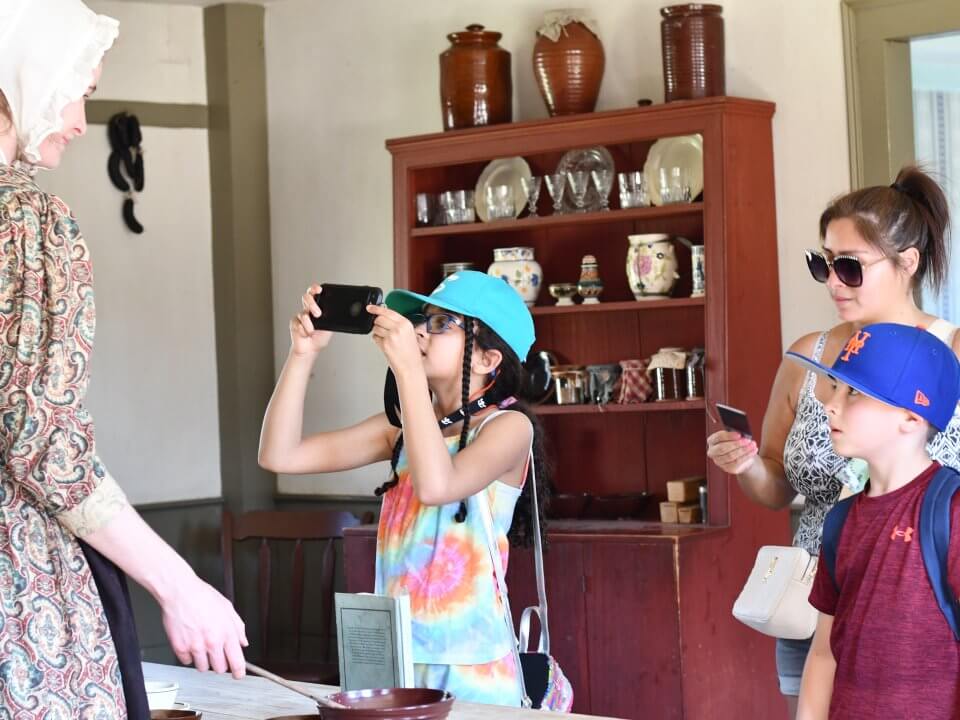
Additional Resources for Your Visit
Download Educator Resources