


Dates vary; see below for details
Times: 9:30 am - 12:30 pm
Meets at the Museum Education Building
Homeschoolers are invited to join us one or both of our popular civics programs designed for youth ages 10 and up!
You may also be interested in the winter sessions of advanced craft workshops for ages 13 and up! Click here to learn more.
Things to know:
- Please let us know as soon as possible if you need to cancel your workshop tickets. As these workshops are in high demand, refunds for workshop fees will only be given up to one week prior to the event date, or in the case of cancellation by Old Sturbridge Village.
- Unless otherwise noted, these programs will take place inside the Museum Education building. Please park in the Museum Education parking lot. For details, download this map.
- OSV’s programs are rain or shine. In the case of inclement weather, we will reach out to reschedule the program.
- These programs are designed for home school youth ages 10 and up.
Home school Civics Programs | Town Meeting: The Poor Farm
Dates: Wednesday, March 5, 2025
Time: 9:30-12:30
Ages: 10+
Meets at Museum Education
Cost: $18
Click here to register for March 5
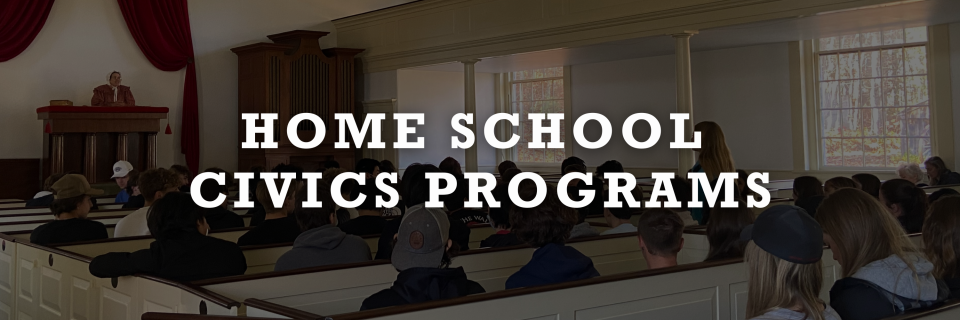
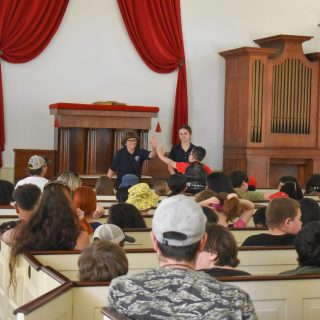
Students will participate in a modified version of our Town Meeting. In this civics-focused program, students participate in a mock town meeting where they explore the function of local government. The program explores the essential question “How should our town care for its poorest citizens?”
Led by museum educators, students will learn about the nature of poverty in the 19th century and the ways in which New England towns took care of those in need. After the lesson, students interview Villagers and gather different points of view. Finally, the group will convene at the Center Meetinghouse for a Town Meeting, led by a costumed educator, where they debate and vote on the issue. This interactive program encourages students to think critically, form arguments, and back up their opinions using historical information.
Abolition and Social Change in 19th-Century New England
Date: Wednesday, February 19, 2025
Time: 9:30-12:30
Ages 10+
Meets at Museum Education
Cost: $18
Click here to register for February 19
Through primary sources and interactive experiences throughout the Village, students will learn about the ways in which the Northern states participated in the institution of slavery in the late 18th and early 19th centuries, as well as the ways that some people fought against this system. Focusing on the 19th-century abolitionist movement, participants in this program will piece together a larger picture of the impact of slavery in a town like Sturbridge in the 1830s.
Students will begin with an educator-led lesson that explores Northern attitudes and complicity in the institution of slavery. In small groups, they will then visit specific sites in the Museum to look at primary sources. They will think deeply about the factors that influence their everyday choices and how they can use their own voices to create radical change. The program concludes with a guided discussion.